


BULK NATURAL OILS- WHOLESALE OILS
We offer the highest quality, responsibly sourced bulk natural oils, including wholesale plant oils, carrier oils, pure base oils, flower-infused oils, herbal-infused oils, and natural oils for health and beauty.
Our carrier oils are carefully selected and sourced from around the world. They are widely used in the cosmetic industry, DIY projects, candle making, soap manufacturing, as well as in bulk apothecary and wholesale supply markets. Additionally, they are popular among essential oil sellers, aromatherapy practitioners, and massage therapists for use as massage oils, as well as for personal use.
Over the past 26 years, Goodvara Laboratories has established an extensive global network of manufacturing and supply partners to provide you with the purest, natural, organic oils available.
Our oils can be used as they are, mixed or blended with other oils, or incorporated into skin and body care products such as lotions and creams. They can also be added to hair care shampoos and conditioners, used for making soap bars, blended into massage oil mixes, diluted with essential oils, and more.
We have curated a selection of 100% pure oils for our customers. Some of these oils are rare or unique, while others consist of proprietary blends created by our top formulators.
Carrier oils and plant oils are commonly utilized for their dietary and topical healing properties. Pure plant oils are emerging as key players in the health, beauty, and supplement markets. According to research, the global market value for natural carrier plant oils is expected to reach approximately $1.8 billion in the next few years, growing at a rate of around 9.6%.
You can purchase our oils, packaged in 1-ounce sizes for resale under your private label or logo, suitable for skin or hair care. Alternatively, you can buy them in bulk by the liter or gallon.
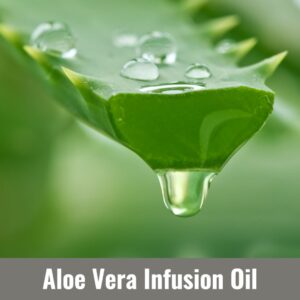
Aloe Vera Infused Oil (Aloe Vera Macerated Oil)
| CAS Number: 85507-69-3 ; 94349-62-9 |
| EINECS Number: 287-390-8 ; 305-181-2 |
| PRODUCT # OAVO-70010 |
| INCI NAME: Glycine soja Oil, Aloe barbadensis Leaf Extract |
| PART USED: Leaves |
| SYNONYMS: Aloe barbadensis Mill |
| EXTRACTION METHOD: Aloe barbadensis (Aloe vera) leaves in Glycine soja Oil |
| ORIGIN: India |
Check out our FAQ page to get more info on labeling/ assembly costs.
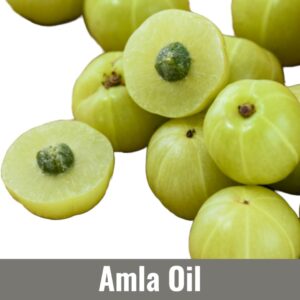
Amla Oil (Emblica officinalis Fruit Oil)
| CAS NUMBER: 90028-28-7 |
| EINECS Number: 289-817-3 |
| PRODUCT # OAO-50030 |
| INCI Name: Sesamum indicum (Sesame) Seed Oil, Emblica officinalis (Amla) Fruit Extract |
| PART USED: Whole Fruit |
| SYNONYMS: Phyllanthus emblica L, Emblica officinalis Gaertn |
| COMMON NAMES: Emblic Myrobalan, Malacca Tree, Amalaki, Emblic, Indian Gooseberry |
| EXTRACTION METHOD: Infusion of Amla Fruit (Phyllanthus emblica) in Sesame (Sesamum indicum) Seed Oil |
| ORIGIN: India |
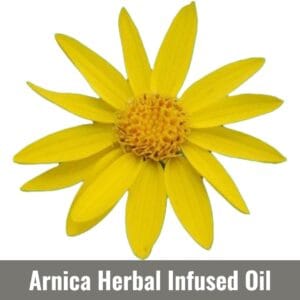
Arnica Herbal Infused Oil (Arnica Montana)
| CAS NUMBER:68990-11-4 |
| EINECS#:273-579-2 |
| PRODUCT # AMHO-303200 |
| INCI NAME: Arnica Montana Flower Extract, Helianthus annus Seed Oil |
| PART USED: Flowers |
| SYNONYMS: Arnica montana L |
| COMMON NAMES: Mountain Arnica, Mountain Tobacco, Wolf’s Bane, Leopard's Bane |
| EXTRACTION METHOD: Arnica Montana flowers infused in Helianthus annus Seed Oil |
| ORIGIN: Canada |
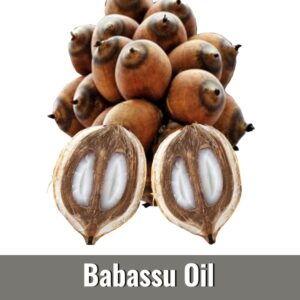
Babassu Oil (Orbignya Oleifera Seed Oil)
| CAS Number: 91078-92-1 |
| EINECS Number: 293-376-2 |
| PRODUCT # OBO-111320 |
| INCI NAME: Orbignya Oleifera Seed Oil |
| PART USED: Seeds |
| SYNONYMS: Attalea speciosa Mart, Spreng. , Orbignya oleifera |
| COMMON NAMES: Babacu, Babassu Palm, Cusi |
| EXTRACTION METHOD: Cold Pressed |
| ORIGIN: Brazil |
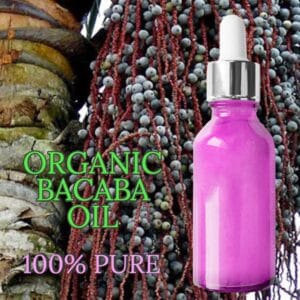
Bacaba Oil (Oenocarpus Bacaba Fruit Oil)
| PRODUCT # OBO-60200 |
| INCI NAME: Oenocarpus Bacaba Fruit Oil |
| PART USED: Fruit Pulp |
| SYNONYMS: Oenocarpus bacaba Mart. |
| COMMON NAMES: Bacaba Verdadeira, Turu Palm, Ungurauy, Camon, Koemboe |
| EXTRACTION METHOD: Cold Pressed |
| ORIGIN: Brazil |
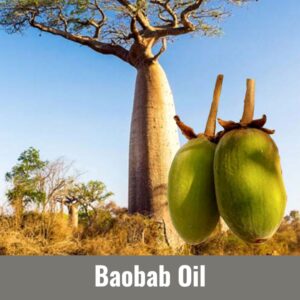
Baobab Oil (Adansonia Digitata Seed Oil)
| CAS Number: 91745-12-9 ; 225233-93-2 |
| EINECS Number: 294-680-8 |
| PRODUCT # OBO-60110 |
| INCI NAME: Adansonia Digitata Seed Oil |
| PART USED: Seeds |
| SYNONYMS: Adansonia digitata L. |
| COMMON NAMES: Cream of Tartar Tree, Monkey-bread Tree |
| EXTRACTION METHOD: Cold Pressed |
| ORIGIN: Senegal |
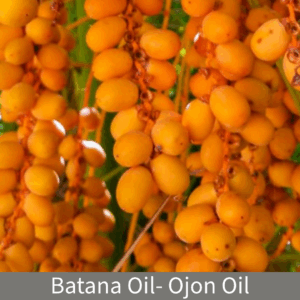
Batana Oil- Caiaue (Elaeis Oleifera) OJON Oil
| PRODUCT # OCOO-311120 |
| INCI NAME: Elaeis Oleifera Oil |
| PART USED: Nuts |
| SYNONYMS: Elaeis melanococca Mart. nom. illeg, Elaeis oleifera Cortes |
| EXTRACTION METHOD: Cold Pressed |
| ORIGIN: Brazil |
All bulk oils orders will receive COA and MSDS documents.
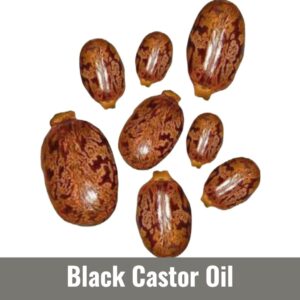
Black Castor Oil (Ricinus communis Seed Oil)
| CAS NUMBER: 8001-79-4 |
| EINECS#: 232-293-8 |
| PRODUCT # OBCO-330200 |
| INCI NAME: Ricinus communis Oil |
| PART USED: Seeds |
| SYNONYMS: Ricinus communis L |
| COMMON NAMES: Castor Bean Oil |
| EXTRACTION METHOD: Cold Pressed |
| ORIGIN: India |
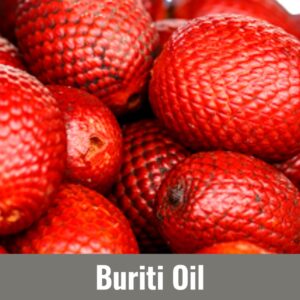
Buriti Oil (Mauritia Flexuosa Fruit Oil)
- Best skin moisturizer: Buriti oil is known for its hydrating qualities, and you can use it as a natural moisturizer. This oil will nourish healthy-looking skin as it exfoliates your inside out.
- Slows Aging: Daily stress and pollution can accelerate your skin's aging process. Buriti oil contains antioxidants that slow aging, making skin clear and young. It further helps reduce dark spots and boosts collagen (skin protein) production for restoration.
- Treatment of Burns and Wounds: Buriti oil's presence of fatty acids enables it to promote the regeneration of cells and tissues. Thus, it helps treat burns, scars, cuts, and wounds.
- Reduces Inflammation: Skin inflammation may occur for several reasons, such as allergic reactions, dust, and other factors. It can lead to acne, blisters, rashes, and redness. Buriti oil has strong anti-inflammatory properties that help reduce skin problems and give clear skin.
- Promotes UV Protection: Believe it or not, sun exposure causes the maximum damage to your skin. The UVA and UVB rays can destroy skin cells, causing sunburns and other problems. Buriti oil comprises antioxidants that can resolve these issues and protect from further damage.
- Treats Dry Hair: If your hair is naturally dry, regular buriti oil can help nourish it up to the tips. However, do not apply it directly to your hair or scalp. Diluting the oil before application is the best idea.
- Reduces Split Ends: Buriti oil is known to reduce split ends. It contains omega 3, which makes hair healthy.
- Detangler Agents: Buriti oil acts as a lubricant for hair. So, regular use of this oil will reduce the force you exert while combing. Thus, buriti oil is a good detangler agent, especially if you have curly and coarse hair.
- Treats Damaged Hair: Your hair may get damaged due to bleaching, heat treatment, exposure to UV rays, etc. If you want shiny, glossy hair, using buriti oil in your hair mask is an excellent remedy. It contains antioxidants that protect your hair from sun exposure.
- Lips: Irrespective of the weather, your lips may lose their softness and moisture. Is using chapsticks a good idea? Well, only sometimes. Several products contain coloring agents and other chemicals that heal your lips quickly but decolorize them. Buriti oil is a natural remedy for dry lips to heal and recover moisture.
- Beard: Do you love growing a beard but cannot handle the harsh, coarse hair? Men's facial hair can be relatively rigid and challenging to manage. Not if you regularly use buriti oil, though. It can soften the beard, helping retain moisture and reducing the pricky, frizzy texture.
- Nails: Buriti oil has multiple nourishment qualities sufficient for conditioning your nails. Applying this oil can make your nails smooth, shiny, and even-colored.
- Body: Now that most other body parts are covered, why not use it for the entire body? You can use this fruit oil for body massage. Buriti oil massage provides nourishment to the cells and improves blood circulation. This oil is also used for aromatherapy.
| CAS Number: 394239-67-9 |
| PRODUCT # OBO-002600 |
| INCI NAME: Mauritia Flexuosa (Buriti) Fruit Oil |
| PART USED: Fruit |
| SYNONYMS: Mauritia flexuosa L.f. |
| COMMON NAMES: Moriche Palm, Muriti, Ité Palm, Aguaje, Canangucho |
| EXTRACTION METHOD: Cold Pressed |
| ORIGIN: Brazil |
All bulk oils orders will receive COA and MSDS documents.
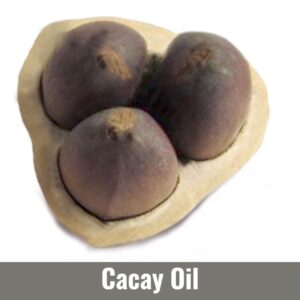
Cacay Oil (Caryodendron Orinocense Seed Oil)
- Reduces Signs of Skin Aging: The main ingredient in Cacao nut oil that facilitates this is Vitamin E. It hydrates and nourishes the skin, repairing any damaged areas. In addition, it also contains a high amount of Vitamin A, which is known to aid in skin regeneration.
- Hence, it enhances the skin's elasticity and reduces wrinkles. Cacay nut oil also contains natural retinol.
- Reduces Breakouts: People who use Cacao nut oil often witness its overall promotion of skin health. The linoleic acid present in it helps reduce acne and breakouts. Hence, it can be an excellent addition to the skincare routine of people who want to tackle both acne and aging together.
- Promotes Clean and Hydrated Skin: If you have oily skin, you may be worried about Cacao nut oil clogging your pores. However, Cacao nut oil does not feel greasy and is lightweight on your skin. After applying it, you will feel clean and hydrated.
- In addition, its high concentration of antioxidants makes it a favorite for anyone who needs a light oil that will not leave any residue.
- Reduces the Appearance of Scars: This oil's combination of vitamins and essential fatty acids makes it suitable for scar reduction. Apply a few drops of the oil to the scarred skin and massage it if you want to eliminate your stretch marks.
- Applying it continuously will help these scars fade away. Do note that the scars may not fade completely in each case. However, they will not be noticeable from afar.
- Collagen Stimulation: Collagen makes up one-third of the protein in the human body. It is insoluble and is necessary to hold the body together. Collagen also helps a network of cells called fibroblasts to form. This helps replace dead cells in the body but reduces with age.
- It is the reason wrinkles form on your body. Cacao oil can permeate these layers of the skin and help regenerate collagen, which, yet again, contributes to its anti-aging properties.
- Hair Growth: Cacao nut oil is great for hair growth. It nourishes the hair and also relieves a flaky scalp.
- Great for Split ends: It also moisturizes your hair, eliminating split ends. Its vitamin E content makes your hair thicker and shinier.
- Excellent for Strong Roots: You can also expect strong roots in addition to these benefits. The linoleic acid in it also helps prevent hair loss. Cacay nut oil adds linoleic acid to your scalp to nourish the building blocks of your hair.
| CAS Number: 1453469-52-7 |
| PRODUCT # OCO-70010 |
| INCI NAME: Caryodendron Orinocense Seed Oil |
| PART USED: Seeds |
| SYNONYMS: Caryodendron orinocense H.Karst. |
| COMMON NAMES: Cacay Nut |
| EXTRACTION METHOD: Cold Pressed |
| ORIGIN: Brazil |
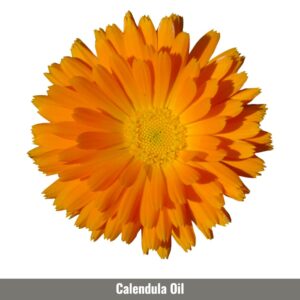
Calendula Herbal Infused Oil (Marigold)
| CAS NUMBER: 84776-23-8, 70892-20-5 |
| EINECS#: 283-949-5 |
| PRODUCT # CHO-60020 |
| INCI NAME: Helianthus annuus Seed Oil and Calendula officinalis Flower Extract |
| PART USED: Flowers |
| SYNONYMS: Calendula officinalis L |
| EXTRACTION METHOD: Calendula (Marigold) flowers infused in Helianthus annuus Seed Oil |
| ORIGIN: India |
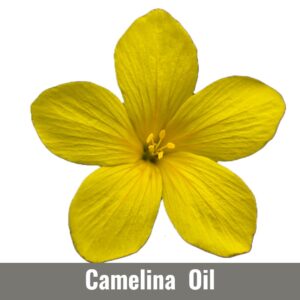
Camelina Oil (Camelina Sativa Seed Oil)
- Linolenic acid – 35 to 40%
- Tocopherol – 100 mg/100g
- Palmitic acid – 5.3 to 6.4%
- Oleic acid – 14.0 to 18.7%
- Stearic acid – 1.4 to 3.0%
- Arachidic acid – 0.4 to 1.5%
- Eicosatrienoic acid – 1.3 to 1.7%
- Gondoic acid – 11.6 to 16.2%
- Eicosadienoic acid – 1.7 to 2.1%
- Erucic acid – 1.6 to 4.0%
- Dark olive or golden color
- Longer shelf life
- Mild nutty flavor
- Easy absorption
- Resistant to rancidity and oxidation
- Floral aroma
- High Omega 3 fatty acid content
- Omega 6 fatty acid
- High levels of vitamin E
- High levels of Polyunsaturated fatty acids
- Vegetable proteins
- Natural antioxidants
- Contributes to Healthy Skin: The Omega 3 and Omega 6 fatty acids of Camelina oil provide healthy nutrients to your skin. They ensure that your skin functions optimally, resulting in radiant and healthy skin. If these fatty acids are deficient, it may lead to dermatitis. This condition causes dryness and scaling of the skin and could also cause much water loss. Camelina oil prevents this and makes the skin healthy instead.
- Reduces Inflammation: Camelina oil contains high levels of beneficial fatty acids, which have powerful anti-inflammatory properties. This oil helps prevent dryness, itching, and acne on the skin.m It gives your skin essential relieving and soothing effects. Your face will not experience any swelling, either.
- Acts as A Healthy Barrier: Camelina oil works as a healthy barrier for your skin. It improves your skin's natural preventive mechanism. Bacteria or other harmful substances will not be allowed to enter your skin, which helps prevent skin diseases. This natural oil also maintains your skin's hydration levels. It ensures that moisture is not lost and avoids dryness. This nourishment makes your skin much smoother and softer.
- Protects from Skin Damage: The high levels of vitamin E in Camelina oil ensure good skin protection. This oil is a natural antioxidant, protecting your skin from harmful U.V. rays and photo-oxidation. By regularly massaging Camelina oil into your skin, you can also make it healthier and firmer. It reduces wrinkles and other signs of aging.
- Nourishes Your Hair: Camelina oil is an excellent conditioner for hair. It ensures that hair does not lose its natural moisture and becomes too dry. You can warm Camelina oil and gently massage your scalp with it. This hair treatment nourishes your hair, making it smoother and softer.
- Prevents Hair Damage: Incorporating Camelina oil into your hair care routine gives your hair optimum protection. This natural oil makes your hair more robust by providing essential nutrients. It primarily protects your hair shaft from radical damage. Camelina oil is effective in preventing dandruff. It reduces flakiness and dryness. Massage your hair regularly with Camelina oil. It keeps hair well-hydrated and soft.
| CAS Number: 225233-97-6 |
| PRODUCT # OCO-80300 |
| INCI NAME: Camelina Sativa Seed Oil |
| PART USED: Seeds |
| SYNONYMS: Camelina sativa (L.) Crantz |
| COMMON NAMES: False Flax, Gold of Pleasure, Siberian Oilseed, German Sesame |
| EXTRACTION METHOD: Cold Pressed |
| ORIGIN: Sweden |
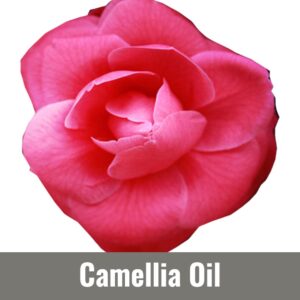
Camellia Oil (Tea Seed Oil)
- Camellia Sinensis
- The type of oil extracted from this Camellia plant species is tea oil. This oil is excellent for removing blemishes and providing an extra glow to the skin.
- Camellia Japonica
- Camellia japonica is used to extract the tea seed oil. This oil is used for culinary purposes throughout East Asia. It has edible properties and is excellent for regulating cholesterol.
- Camellia oleifera
- Camellia Oleifera is the source of the Tsubaki oil. It is known for its cosmetic and culinary uses. When used in cosmetics, it adds suppleness to the skin and imparts a youthful glow.
- Skin smoothening
- Skin softening
- Anti-aging
- Anti-inflammatory
- Lifting
- Hydrating
- Emollient
- Sun and pollution protection
- Medicinal Benefits of Camellia Seed Oil
- The Camellia Seed oil was historically known for its medicinal properties in traditional herbology. The oil has some medicinal properties.
- Immunity-building
- Cholesterol-lowering
- Cardioprotective
- Calmative
- Anti-diabetic
- Hepatoprotective
- Dry hair with a towel after washing.
- Pour a few drops of Camellia oil on your palm and rub your wrists vigorously to warm and spread the oil.
- Start applying the oil from the roots of your hair and apply it to the hair by lightly massaging the oil with your fingertips.
- Thoroughly wash your skin with a facial cleanser.
- Pour a few drops of Camellia oil into your palm.
- Pat a thin layer of the oil on your face and neck.
- Only gently massage the oil on your face. Do not rub too hard because that might cause extra wrinkles and blemishes.
- Spread the oil in circular and upward motions till it is completely absorbed in the skin.
| CAS Number: 225233-97-6 |
| PRODUCT # CSO-60020 |
| INCI NAME: Camellia Oleifera Seed Oil |
| PART USED: Seeds |
| SYNONYMS: Camellia Oleifera C.Abel |
| COMMON NAMES: Oil-Seed Camellia, Tea Oil Camellia |
| EXTRACTION METHOD: Cold Pressed |
| ORIGIN: China |
All bulk oils orders will receive COA and MSDS documents.
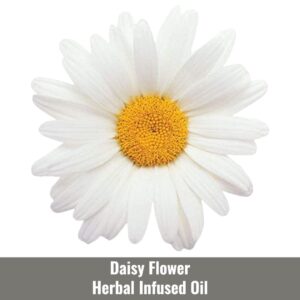
Daisy Flower Herbal Infused Oil (Daisy Macerated Oil)
| CAS NUMBER: 84776-11-4 |
| EINECS Number: 283-935-9 |
| PRODUCT # DFHO-70010 |
| INCI Name: Helianthus annuus Seed Oil and Bellis perennis (Daisy) Flower Extract |
| PART USED: Flowering Tops |
| SYNONYMS: Bellis perennis L |
| COMMON NAMES: English Daisy, Common Daisy, Bruisewort, Woundwort, Lawn Daisy |
| EXTRACTION METHOD: Daisy (Bellis perennis) flowersinfused in Helianthus annuus Seed Oil |
| ORIGIN: France |
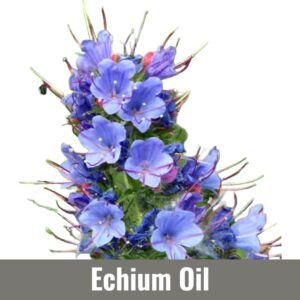
Echium Oil (Echium Plantagineum Seed Oil)
| PRODUCT # OEO-203012 |
| INCI NAME: Echium Plantagineum Seed Oil |
| PART USED: Seeds |
| SYNONYMS: Echium plantagineum L |
| COMMON NAMES: Blueweed, Purple Viper's-Bugloss |
| EXTRACTION METHOD: Cold Pressed |
| ORIGIN: USA |
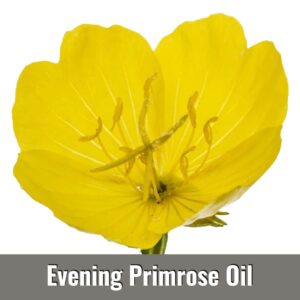
Evening Primrose Oil (Oenothera Biennis Seed Oil)
- Anti-inflammatory: Evening primrose oil is composed of omega-6 fatty acids. Evening primrose oil is thought to inhibit the mechanisms responsible for inflammation.
- Skin Regeneration: Evening Primrose Oil is rich in fatty acids which gives it cell regeneration properties.
- Skin Hydration: Evening primrose oil helps to bring the best hydration to the skin and increase its elasticity. Its sterol content is responsible for the skin's hydration and anti-aging effects.
- Regulate the hormonal system: The gamma-linolenic and linoleic acids content in the evening primrose oil provides a regulatory action of the hormonal system. It is useful to help fight against hot flashes and menopause symptoms.
- Skin Healing Properties: Evening Primrose Oil contains a high concentration of gamma-linolenic acid (GLA) which contributes to its skin healing effects.
- Used for wrinkles around the eyes and the mouth, since this oil is light and absorbs fast.
- Has excellent healing properties for skin diseases such as eczema and psoriasis.
For the skin Evening Primrose Oil is intensely rich and nourishing, it is used in many cosmetics formulations for skin/ body and soap bars, it also used as a stand-alone oil for the face and body. This oil is a light fast-absorbing and considered a non-greasy moisturizer that can be used in the morning or at night under any cream to soothe the skin, help with acne, balance skin's oil production, reduce stretch marks and scar appearance. It can be used for dry skin too, to moisturize and prevent water loss. Many formulators add Evening primrose oil to products that are used for eczema, psoriasis because of its anti-inflammatory effects as well as its healing properties.
For the hair Evening Primrose Oil, Evening Primerose Oil is added to shampoos, conditioners, hair serums, hair tonics, it is known to balance the scalp's natural oils, and reduce dandruff. This oil is great for hair strengthening and can help protect the hair shaft from environmental stressors such as pollution and UV rays, as well as hair coloring and heat styling.It can be used alone as-is on the hair, before shampooing, just add it to the hair and scalp, leave it on for 1-2 hours, then shampoo the hair or add a little on the hair after shampooing to give the hair shine and smoothness. 100% Pure Evening Primrose Oil
| CAS Number: 90028-66- 3 |
| PRODUCT # EPO-700010 |
| INCI NAME: Oenothera Biennis |
| PART USED: Seeds |
| SYNONYMS: Oenothera biennis L. |
| COMMON NAMES: Evening Star, German Rampion, King’s Cure-all, Weedy Evening Primrose, Hog Weed, Sun Drop |
| EXTRACTION METHOD: Cold Pressed |
| ORIGIN: China |
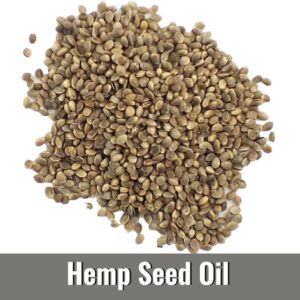
Hemp Seed Oil
| CAS NUMBER: 89958-21-4 |
| EINECS#: 289-644-3 |
| PRODUCT # OHSO-08000 |
| PART USED: Seeds |
| EXTRACTION METHOD: Cold Pressed |
| ORIGIN: Canada |
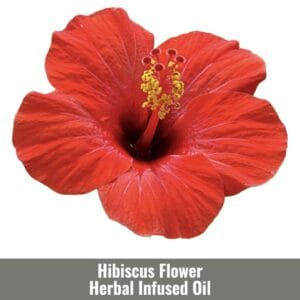
Hibiscus Flower Herbal Infused Oil (Hibiscus Rosa-Sinensis Oil)
| CAS NUMBER: 84775-96-2 |
| EINECS Number:283-920-7 |
| PRODUCT # OHHO-33003 |
| INCI Name: Helianthus annuus Seed Oil and Hibiscus Rosa-Sinensis Flower Extract |
| PART USED: Flowers |
| SYNONYMS: Hibiscus rosa-sinensis L |
| COMMON NAMES: Hawaiian Hibiscus, Rose Mallow, Chinese Hibiscus, China Rose, Shoeblackplant |
| EXTRACTION METHOD: Hibiscus (Hibiscus Rosa-Sinensis) flowers infused in Helianthus annuus Seed Oil |
| ORIGIN: India |
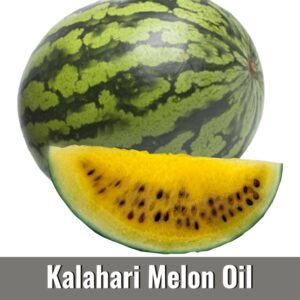
Kalahari Melon Oil (Citrullus Lanatus Oil)
- 70% Omega-6 essential fatty acids
- High phytosterol with almost 2% unsaponifiable
- Tocopherol – 70 mg/100g
- Linoleic acid – 62.2 to 63.1%
- Palmitic – 11.4 to 12.4%
- Oleic – 16.8 to 17.1%
- Linolenic – 0.7 to 1.2%
- Eicosenoic – 0.3%
- Stearic – 7.5 to 8.1%
- Steady shelf life
- Quick absorption
- Medium-density and consistency
- Pale yellow
- Translucent
- Nutty and light aroma
- Resistant to oxidation
- Lower sensitization risk
- Omega 6 fatty acid
- Omega 9 fatty acid. Your body cannot produce this by itself.
- Antioxidants that contribute to healthy and glowing skin
- Regenerates your skin cells
- Keeps the skin supple
- Exceptional Face Cleanser: If you are suffering from clogging pores or very oily skin on your face, the Kalahari melon oil may just be the right solution for you. This natural seed oil contains a high amount of linolenic acid. About 50% to 70% of this oil is made up of linolenic acid. When you apply the Kalahari melon oil onto your face, it efficiently cleans your clogged pores. Additionally, it removes excessive sebum. It brings a glow to your face.
- Minimizes Inflammation: The Kalahari melon oil has several vitamins that are skin-friendly. It eliminates pimples and acnes that cause inflammation.
This oil is extremely light, and your skin easily absorbs it, unlike many other oils. The Kalahari melon oil soothes your skin.
- Acts as An Anti-Aging Formula: The Kalahari melon oil contains several beneficial antioxidants along with Vitamin C, E, and A. They help in improving the quality of your skin. Your skin becomes smoother and firmer. Additionally, it reduces wrinkles while hydrating your skin.
- Repairs Skin Damage: The Kalahari melon oil has vital Omega 9 and Omega 6 fatty acid. Your body does not produce them naturally. This natural oil is one of the rare sources of these fatty acids. With the help of this oil, your skin repairs any damage or scars. It stimulates cell growth. This makes your skin glow with freshness.
- Amazing Hair Conditioner: The Kalahari melon oil supports your hair by conditioning it right. It ensures that your hair and scalp do not turn too dry. This oil makes your hair not only shiny but also stronger.
You can use it as a hair conditioner daily. It does not damage your hair with regular use. Make sure to massage the scalp well with the Kalahari melon oil.
- Reduces Hair Fall: Upon massaging the scalp with the Kalahari melon oil regularly, you will provide your hair with essential nourishment. It reduces hair fall and repairs any damaged hair. Moreover, it improves your hair texture.
The Kalahari melon oil is less greasy in comparison to other hair oils. You can use it regularly without worrying about your hair turning too greasy.
| CAS Number: 90244-99-8 |
| PRODUCT # OKMO-50030 |
| INCI NAME: Citrullus Lanatus (Wild Watermelon) Seed Oil |
| PART USED: Fruit |
| SYNONYMS: Citrullus lanatus (Thunb.) Matsum. & Nakai |
| COMMON NAMES: Tsamma Melon, Wild Watermelon |
| EXTRACTION METHOD: Cold Pressed |
| ORIGIN: Kalahari Desert, Namibia |
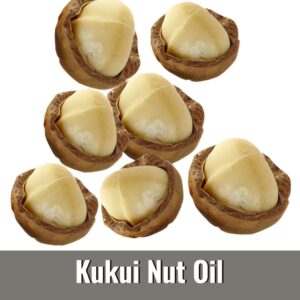
Kukui Nut Oil (Aleurites Moluccana Seed Oil)
| CAS NUMBER: 8015-80-3 |
| PRODUCT # KNO-60110 |
| INCI Name: Aleurites Moluccana (Kukui) Seed Oil |
| PART USED: Nuts |
| SYNONYMS: Aleurites moluccanus (L.) Willd |
| COMMON NAMES Indian Walnut, Varnish tree, Candlenut, Candleberry, Kemiri, Varnish tree |
| EXTRACTION METHOD: Cold Pressed |
| ORIGIN: USA (Hawaii) |
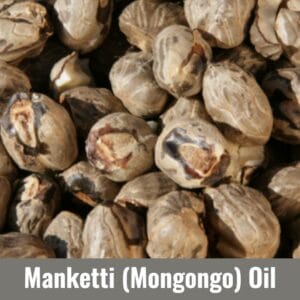
Manketti (Mongongo) Oil (Schinziophyton Rautanenii Kernel Oil)
| PRODUCT # OMMO-00800 |
| INCI NAME: Schinziophyton Rautanenii Kernel Oil |
| PART USED: Nut Kernels |
| SYNONYMS: Schinziophyton rautanenii Radcl |
| COMMON NAMES: Manketti Tree, Mongongo Tree, Mongongo Nut |
| EXTRACTION METHOD: Cold Pressed |
| ORIGIN: Namibia |
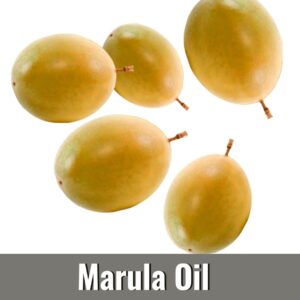
Marula Oil (Sclerocarya Birrea Seed Oil)
| CAS NUMBER: CAS 68956 |
| PRODUCT # OMO-220013 |
| INCI NAME: Sclerocarya Birrea Seed Oil |
| PART USED: Nut Kernels |
| SYNONYMS: Sclerocarya birrea (A. Rich) Hochst |
| EXTRACTION METHOD: Cold Pressed |
| ORIGIN: Namibia |
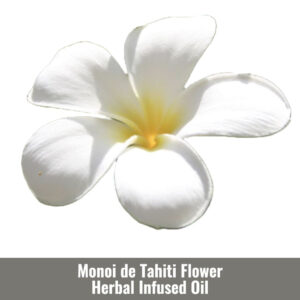
Monoi de Tahiti Flower Herbal Infused Oil
| CAS NUMBER: 683748-01-8 |
| PRODUCT # OMTHO-30500 |
| INCI Name: Cocos Nucifera (Coconut) Oil, Gardenia Tahitensis Flower Extract |
| PART USED: Flowers |
| SYNONYMS: Gardenia taitensis DC |
| COMMON NAMES: Tiare Flower, Monoi de Tahiti Flower, Monoï, Tahitian Gardenia |
| EXTRACTION METHOD: Monoi de Tahiti/ Tiare (Gardenia taitensis) Flowers petals infused in Cocos nucifera (Coconut) Oil |
| ORIGIN: French Polynesia |
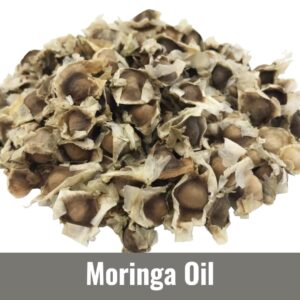
Moringa Oil (Moringa Oleifera Seed Oil)
| CAS Number: 93165-54-9 |
| PRODUCT # MSO-22022 |
| INCI NAME: Moringa oleifera Seed Oil |
| PART USED: Seeds |
| SYNONYMS: Moringa Seed Oil |
| COMMON NAMES: Horseradish Tree , Ben Oil, Drumstick Tree, Behen Oil |
| EXTRACTION METHOD: Cold Pressed |
| ORIGIN: India |
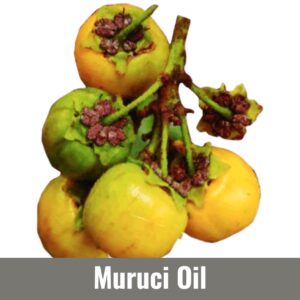
Muruci Oil (Byrsonima Crassifolia Fruit Oil)
- Palmitic acid
- Stearic acid
- Oleic acid
- Linoleic acid
- Saponins
- Alpha-Linoleic acid
- Color - A pale yellow to golden liquid
- Odor - a slightly fruity odor
- Refractive index - at 20 degree Celsius, 1.460 - 1.485
- Specific gravity - at 20 degree Celsius, 0.900 - 0.940
- Solubility – it is soluble in cosmetic kinds of esters as well as fixed oils. They are insoluble in water.
| PRODUCT # OMO-00800 |
| INCI NAME: Byrsonima Crassifolia Fruit Oil |
| PART USED: Fruit |
| SYNONYMS: Byrsonima crassifolia (L.) Kunth |
| COMMON NAMES: Muruçi, Nance, Chacunga, Changunga, Nanche, Kraabu, Savanna Serrette, Craboo |
| EXTRACTION METHOD: Cold Pressed |
| ORIGIN: Brazil |
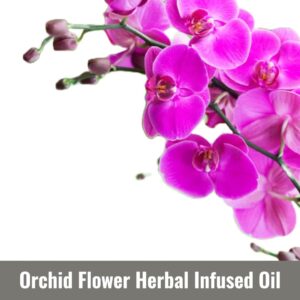
Orchid Flower Herbal Infused Oil (Orchid Macerated Oil)
| CAS NUMBER: 91770-44-4 |
| EINECS Number: 294-829-7 |
| PRODUCT # OOHO-60200 |
| INCI Name: Helianthus annuus Seed Oil and Orchid Flower Extract |
| PART USED: Flowers |
| SYNONYMS: Orchis morio L., Anacamptis morio L. |
| COMMON NAMES: Green-Veined Orchid, Green Winged Orchid |
| EXTRACTION METHOD: Orchid flowers infused in Helianthus annuus Seed Oil |
| ORIGIN: India |
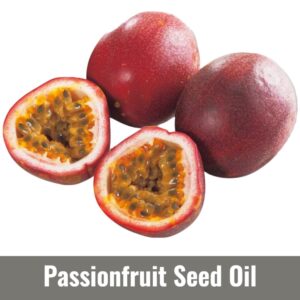
Passionfruit Seed Oil (Passiflora Edulis Seed Oil)
| CAS NUMBER: 91770-48-8 ; 97676-26-1 |
| EINECS Number: 294-833-9 |
| PRODUCT # PFSO-71000 |
| INCI NAME: Passiflora Edulis Seed Oil |
| PART USED: Seeds |
| SYNONYMS: Passiflora Edulis |
| COMMON NAMES: Passion Fruit, Maracuja, Grenadille, Maracuya, Maracujá |
| EXTRACTION METHOD: Cold Pressed |
| ORIGIN: Peru |
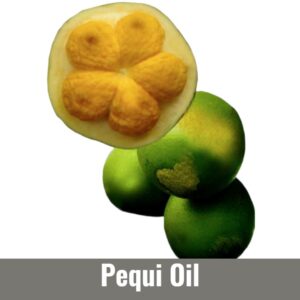
Pequi Oil (Caryocar Brasiliense Fruit Oil)
- Palmitic oil – 34 % – 40 %
- Palmitoleic – 0.7 %– 1.4 %
- Stearic acid – 1.7 %– 2.3 %
- Oleic acid – 54 %– 60 %
- Linoleic acid – 1.5 % – 2 %
- Arachidic acid – traces – 0.2 %
- Eicosenoic acid – 0 % – 0.2 %
- OOL – 1.1 – 3.8 %
- POL – 2.2 – 2.7 %
- PPL – 0 – 0.6 %
- OOO – 5.4 – 10.5 %
- POO – 22.9 – 38.7 %
- POP – 27.6 – 33.7 %
- PPP – 0 – 0.3 %
- SOO – 2.1 – 9.1 %
- POS – 3.2 – 18.2 %
- PPS – 0 – 0.3 %
- SOS – 0 – 8.7 %
- Color – yellow to a dark amber hue
- Aroma – sweet, fruity, and nutty odor
- Flavor – strong and characteristic flavor
- Texture – greasy
- Method of extraction – refined, cold-pressed
| PRODUCT # OPO-60110 |
| INCI NAME: Caryocar Brasiliense (Pequi) Fruit Oil |
| PART USED: Fruit |
| SYNONYMS: Caryocar brasiliense Cambess |
| COMMON NAMES: Cerrado's Gold, Souari Nut |
| EXTRACTION METHOD: Cold Pressed |
| ORIGIN: Brazil |
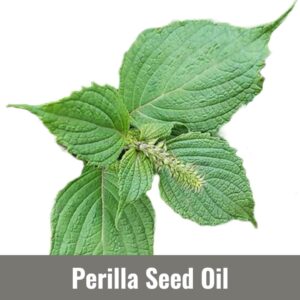
Perilla Seed Oil (Perilla frutescens Seed Oil)
Perilla Seed Oil is the perfect natural moisturizer. Extracted from Perilla frutescens seeds, it helps to nourish and hydrate skin without clogging pores, leaving skin soft and smooth. The oil is packed with beneficial nutrients such as omega 3 and 6 fatty acids, as well as vitamin A and E, giving skin the nourishment it needs.
Perilla Seed Oil is a highly aromatic oil with a range of potential benefits. Rich in omega-3 fatty acids, it's an effective moisturizer that may help promote healthy skin. Its antioxidants help protect the skin from environmental damage, while its antibacterial properties combat inflammation.
Perilla Seed Oil is renowned for its skin-soothing effects, particularly for eczema. Its fatty acids help reduce inflammation and maintain a healthy skin barrier. With its high antioxidant content, the oil helps promote skin cell regeneration and protect the skin from environmental damage.
Perilla Seed Oil is widely used in herbal medicine and cosmetics, especially for its anti-inflammatory and moisturizing advantages.
Perilla Seed Oil can help reduce melanin production. Studies have shown it can reduce melanin production by up to 30%. It's a great choice to lighten skin tone.
Wholesale - Bulk - Private Label 100% Pure PERILLA SEED OIL
| CAS NUMBER: 68132-21-8 |
| EINECS Number: 268-884-2 |
| PRODUCT # OPSO-33020 |
| INCI Name: Perilla frutescens Seed Oil |
| PART USED: Seeds |
| SYNONYMS: Perilla frutescens (L.) Britton |
| COMMON NAMES: Korean Perilla |
| EXTRACTION METHOD: Cold Pressed |
| ORIGIN: India |
All bulk oils orders will receive COA and MSDS documents.
All the above information and all information on our website are copyrighted, copying, re-posting part or all of any text is not allowed without a written permission from Goodvara, LLC
Please check our FAQ page to get more info on labeling/ assembly costs.
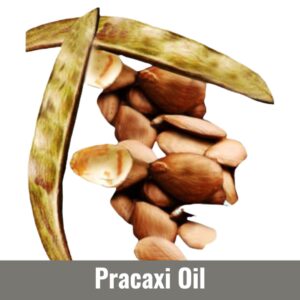
Pracaxi Oil (Pentaclethra Macroloba Seed Oil)
- Oleic Acid- 44.32%
- Behenic Acid 19.67%
- Lignoceric Acid- 14.61%
- Linoleic Acid- 2.36%
- Palmitic Acid- 2.04%
- Lauric Acid- 1.30%
- Relative Density: 0.920-0.950
- Iodine Value: 105-145 grams of 12/100 gm
- Saponification Value- 185-205
- Peroxide Value: < 5 meq 02/kg
- SAP Multiplier for NaOH: 0.132
- SAP Multiplier for KOH: 0.185
- Skin healing and lightening: This natural healer allows quick regeneration and nourishment to the skin without any skin-exposure to toxins/chemicals. It doesn't just lighten the scar. It also reduces its thickness to a great extent. Pracaxi oil is also used for skin-lightening for evening out the skin-tones. The significant amount of Behenic Acid present in this oil makes it offers a highly effective skin brightening effect.
- Reduces hyperpigmentation: Damaged skin layers due to harsh sun rays can be effectively treated by Pracaxi oil. While it is not the best, it can control melanin's production and thus aids the task. It can treat dark spots and patches that occur during pregnancy or other surgeries/therapies. Also, this is one of the oils recommended to lighten the marks of melasma too.
- Medical benefits: Pracaxi seed oil also has anti-bacterial, anti-septic, anti-inflammatory, anti-fungal, and anti-oxidant properties, which are yet to be known.
| CAS NUMBER: 866620-18-0 |
| PRODUCT # PPO-50300 |
| INCI NAME: Pentaclethra Macroloba (Pracaxi) Seed Oil |
| PART USED: Seeds |
| SYNONYMS: Acacia macroloba Willd, Kuntze, Pentaclethra macroloba |
| COMMON NAMES: Pracachy, Oil Tree |
| EXTRACTION METHOD: Cold Pressed |
| ORIGIN: Brazil |
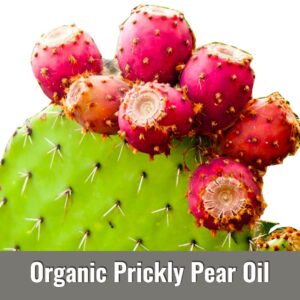
Prickly Pear Oil (Opuntia Ficus Indica Seed Oil)
| CAS Number: 90082-21-6 |
| PRODUCT # PPO-08000 |
| INCI NAME: Opuntia Ficus Indica Seed Oil |
| PART USED: Seeds |
| SYNONYMS: Opuntia Ficus Indica Seed Oil |
| COMMON NAMES: Prickly Pear Oil, Opuntia ficus indica Seed Oil, Cactus Pear Seed Oil, Nopal Oil, Barbary Fig Seed Oil |
| EXTRACTION METHOD: Cold Pressed |
| ORIGIN: Morocco |
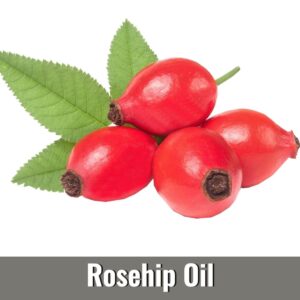
Rosehip Oil ( Rosa Mosqueta Seed Oil)
- Rosehip oil benefits are diverse. They are useful not only for your skin but also for your hair and nails. It is exemplary massage oil as it penetrates deep into the skin and locks moisture to prevent dryness.
- It helps reduce sun damage and acne scars as it contains high amounts of Vitamin A, B, and K.
- It locks in moisture and prevents overproduction of sebum, and helps you maintain acne-free skin.
- Since it is a light carrier oil, it does not leave you with a sticky or heavy feeling after application and swiftly gets absorbed in the skin.
- With its anti-aging and anti-inflammatory properties, it reduces under-eye swellings, inflammation, redness, and puffiness. It also decreases fine lines and wrinkles.
- Vitamin A stimulates collagen production, and rosehip oil builds on that to increase the elasticity of your skin, too.
- Because of its multipurpose and useful benefits, it is often even gold as the liquid gold or the golden elixir.
- As it is a carrier oil, rosehip seed oil can be combined with other effective oils like coconut, jojoba, castor, tea tree, lavender, and more to stimulate hair growth.
- Massaging the scalp with rosehip seed oil also improves blood circulation and strengthens your hair. The fatty acids in the oil keep your scalp moisturized and prevents the flaky drying of it and resulting in dandruff or itching.
- Adding vitamin E with rosehip oil and applying it to your hair can be a very effective method of deep conditioning. It helps with controlling hair frizz and smoothes out your strands as well.
- Rosehip oil can do wonders for your damaged nails. The nail polish and other products often leave the skin around the cushions and the nail bed dry and irritated. It results in flaky hangnails that can, at times, be quite painful.
- Applying rosehip seed oil to the area around your nail and onto your nail as well can help moisture them and prevent damage.
- Rosehip oil can do wonders as a massage oil. In clinical trials, it even proved to be effective in reducing symptoms of osteoarthritis. It also helps with the stiffness in joints and reduced inflammation. The scent is also known to reduce stress and provide a relaxing and soothing effect.
- The collagen stimulants in rosehip oil help in firming aging skin and provides you with elasticity as well. It also helps reduce various scars and pigmentation.
- It can also be used as a gentle exfoliator when combined with baking soda, although one has to be careful to test it out before applying it on sensitive areas.
| CAS NUMBER: 84603-93-0 ; 84696-47-9 |
| PRODUCT # ORHO-232001 |
| INCI NAME: Rosa Rubiginosa (Rose Hip) Seed Oil/ Rosa Mosqueta |
| PART USED: Seeds |
| SYNONYMS: Rosa moschata, Rosa rubiginosa L., Rosa canina L., Rosa mosqueta, Rosa eglanteria |
| COMMON NAMES: Rose Hep, Wild Rose, Eglantine, Rose Haw, Sweet Briar, Sweet Brier, Musk Rose, Sweetbriar Rose |
| EXTRACTION METHOD: Cold Pressed |
| ORIGIN: Chile |
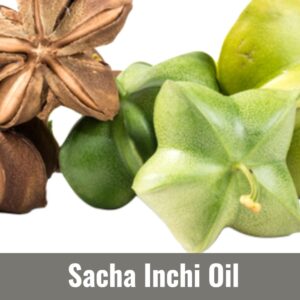
Sacha Inchi Oil (Plukenetia Volubilis Seed Oil)
Sacha Inchi Oil is a powerful source of nourishment for skin. It contains a balance of omega-3 and omega-6 fatty acids and is easily absorbed, providing vital hydration and protection for a healthier complexion. With its rejuvenating properties, Sacha Inchi Oil can help restore skin to its natural beauty.
Sacha Inchi Oil (Plukenetia Volubilis Seed Oil) is a unique oil that is packed with essential fatty acids, including Omega 3 and 6, which are essential for maintaining the health of your skin, hair, and nails. Rich in vitamin E, Sacha Inchi Oil helps keep skin moisturized and prevents signs of aging. Sacha Inchi Oil is a powerful oil that works well against wrinkles. High in Vitamin E and antioxidants, Sacha Inchi's fatty acids help to reduce aging effects like wrinkles and even skin tone. Its natural anti-inflammatory properties also protect skin from damage. This oil may help reduce the appearance of stretch marks. Use Sacha Inchi Oil for smoother, younger looking skin.| CAS Number: 68956-68-3 |
| PRODUCT # SIO-50300 |
| INCI NAME: Plukenetia Volubilis Seed Oil |
| PART USED: Seeds |
| SYNONYMS: Plukenetia volubilis L |
| COMMON NAMES: Inca Inchi, Sacha Peanut, Inca Nut, Mountain Peanut, Inca Peanut , Sacha Inchik |
| EXTRACTION METHOD: Cold Pressed |
| ORIGIN: Peru |
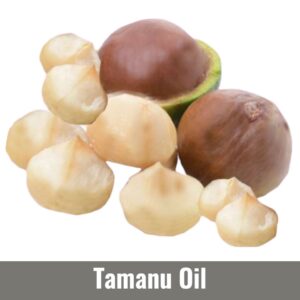
Tamanu Oil (Calophyllum Inophyllum Oil)
- Wounds and Scars: Tamanu oil can help wounds heal faster, as it promotes skin regeneration. Furthermore, it has anti-inflammatory characteristics that reduce scars. The oil boosts collagen production, which is an essential protein of the skin. Thus, it proliferates the skin and helps in rejuvenation.
- Burns and Insect Stings: The anti-inflammatory properties of the tamanu oil make it useful in treating burns and insect stings. Both these problems occur under the skin. The oil helps in recovering the skin cells and tissues, thus promoting healing. Additionally, it is also used to protect the skin from the harmful rays of the sun and treating sunburns.
- Acne and Wrinkles: Application of tamanu oil instils anti-bacterial activity in treating Propionibacterium acnes and granulosum. These properties, along with anti-inflammatory ones, together help in treating acne on your skin.
The oil is also used in several skincare products as it is rich in fatty acids. These compounds hydrate the skin and help retain its moisture. Furthermore, its antioxidants can fight free radicals, which are the prime cause of aging. Thus, you must surely use tamanu oil as an anti-aging product. - Dark Spots and Dry Skin: As with the case of scars, tamanu oil also proves useful in lightening dark spots. These are usually the result of UV rays, and tamanu oil is known for exhibiting sun-protection benefits.
Apart from that, the oil contains a rich number of fatty acids that help your skin get its required moisture. Therefore, using tamanu oil in your skincare routine can help treat dry skin, giving you glowing, moisturized skin. - Inflammatory Skin Conditions: One of the most severe inflammatory skin diseases is eczema or dermatitis. Tamanu oil has excellent anti-inflammatory properties that can help reduce this condition, if not completely remove. It also helps with other diseases like urticaria.
- Stretch Marks: Stretch marks can appear on your skin as a result of rapid expanding or shrinking of the skin. Though you cannot entirely remove these marks through treatments, you can certainly lighten them. How? By using products that help increase the production of collagen on your skin.
Tamanu oil is known to have the property of boosting collagen content, thus effectively reducing stretch marks.
- Its omega 6 compounds moisturize your hair and help retain its soft, glossy texture. Thus, it proves to be a nourishing conditioner.
- The oil has omega 9 that promotes healthy growth, making your hair thicker, longer, and stronger.
- Palmitic acid makes your hair soft while reducing the greasy texture.
- Stearic acid cleans your hair, reducing dirt and sweat.
- The oil’s anti-inflammatory properties help the scalp remain free of fungal infections and inflammation.
- Athlete’s Foot: It is a fungal infection that may occur between your toes, in the form of rashes, burns, etc. Athlete’s foot mainly occurs due to sweaty feet for a long time. You can treat this fungus with the help of tamanu oil. The oil has anti-microbial properties that act against bacteria and fungi.
- Vaginal Infections: Bacteria significantly multiplies in warm conditions and sometimes can cause vaginal infections. Tamanu oil has anti-inflammatory and anti-bacterial compounds that can treat this condition to a great extent, if not entirely. Thus, you may apply a diluted version of this oil to the affected area to treat vaginal infections.
- Use it in facial masks with vitamin E oil.
- Make a cleansing scrub with sugar and tamanu oil.
- Blend tamanu oil with lavender, avocado, and jojoba oil to make a natural face and body moisturizer.
- Add in your shampoo or conditioner.
- Mix with cocoa and shea butter to prepare a mask for stretch marks.
Use tamanu oil regularly to get glowing and healthy hair and skin! 100% Pure TAMANU (FORAHA)OIL
| CAS NUMBER: 241148-25-4 ; 223748-12-7 |
| PRODUCT # OTO-112301 |
| INCI NAME: Pentaclethra Macroloba (Pracaxi) Seed Oil |
| PART USED: Nut Kernels |
| SYNONYMS: Calophyllum inophyllum L. |
| COMMON NAMES: Indian Laurel, Alexandrian Laurel, Tacamahac Tree , Ati Tree, Beach Calophyllum, Beach Touriga, Kamanu, Kamani, Indian Doomba Oiltree |
| EXTRACTION METHOD: Cold Pressed |
| ORIGIN: India |
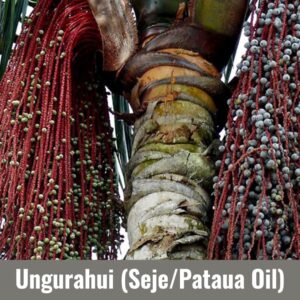
Ungurahui (Seje/ Pataua Oil / Oenocarpus Bataua Fruit Oil)
| PRODUCT # OUPO-30050 |
| INCI NAME: Oenocarpus Bataua Fruit Oil |
| PART USED: Fruits |
| SYNONYMS: Oenocarpus bataua Mart, Jessenia bataua Burret |
| COMMON NAMES: Pataua, Sehe, Patawa, Mingucha, Bataua, Hungurahua |
| EXTRACTION METHOD: Cold Pressed |
| ORIGIN: Brazil |
Check out our complete stock private label skin care collection